Hey everyone! As someone who lives and breathes the world of construction and design, I’ve been absolutely blown away by how quickly things are changing, especially when it comes to the materials we build with and how we talk about them.
It’s like every other week there’s a new breakthrough, and honestly, keeping up can feel like a full-time job – but a super exciting one! We’re not just talking about traditional bricks and mortar anymore.
Can you even imagine structures that can literally heal themselves after a crack, or materials that actively clean the air while making a building look fantastic?
It sounds like science fiction, but it’s becoming our reality. And on the marketing side? Forget everything you thought you knew!
From AI tailoring ultra-personalized experiences to sustainability becoming the ultimate selling point, the game has totally changed. I’ve seen firsthand how adopting these cutting-edge innovations isn’t just a trend; it’s fast becoming the industry standard, creating buildings that are not only more efficient and durable but also incredibly kind to our planet.
This whole landscape is dynamic, with digital smarts meeting physical ingenuity, and trust me, you absolutely don’t want to be left behind. Ready to see what’s truly shaping the future?
Let’s dive deeper and get the full scoop!
The Magic of Self-Healing Materials: Beyond Traditional Durability
Cracks No More: How Living Concrete is Changing the Game
You know, for years, seeing a crack in concrete just meant one thing: repairs, money, and a whole lot of hassle. But what if I told you that we’re now moving into an era where our buildings can actually mend themselves?
It sounds absolutely wild, right? I remember the first time I heard about self-healing concrete, I was completely skeptical. My mind immediately went to sci-fi movies, but after diving deep and seeing some incredible prototypes and early applications, I’m a true believer.
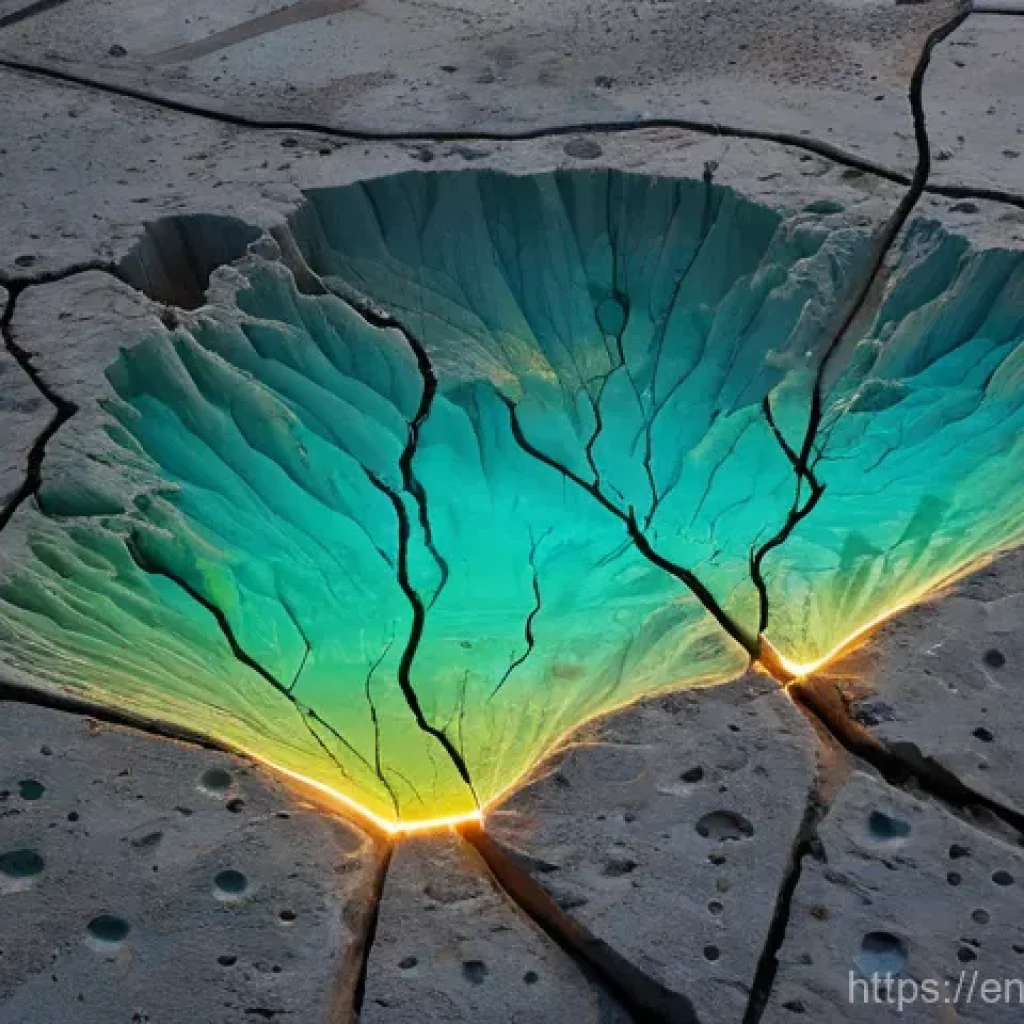
This isn’t just a fantasy; it’s becoming a reality thanks to some incredibly clever bio-engineering. Imagine tiny bacteria embedded in the concrete, just waiting to spring into action when they detect a fissure.
These microscopic heroes produce limestone, effectively filling those cracks and preventing further damage. From what I’ve observed, this isn’t just about aesthetics; it’s about fundamentally altering how we approach structural integrity.
It extends the lifespan of infrastructure significantly, meaning fewer costly repairs and less downtime. This innovation truly changes the maintenance game, making everything from bridges to basement foundations more robust and reliable.
It’s like giving our structures a natural immune system, and honestly, who wouldn’t want that for their investments?
The Economic and Environmental Win: Less Repair, More Resilience
The economic implications of self-healing materials are absolutely staggering. Think about the massive budgets allocated for infrastructure repair annually.
With materials that can automatically address minor damage, those costs could plummet. I’ve been chatting with several project managers who are already factoring this into their long-term cost analyses, and the numbers are looking incredibly promising.
It’s not just about saving money on maintenance, though. There’s a huge environmental benefit too. By extending the life of structures, we reduce the need for new material production, which often has a substantial carbon footprint.
Less mining, less manufacturing, less waste going into landfills – it’s a win-win for both our wallets and our planet. This shift towards more resilient, self-sustaining materials is a critical step towards a truly sustainable built environment.
It means less resource consumption over the entire lifecycle of a building or a road. For anyone in the industry, or even just someone who cares about intelligent, forward-thinking development, this is a topic that should be at the very top of your radar.
The future of construction isn’t just about building bigger; it’s about building smarter and more sustainably, and self-healing materials are a prime example of that evolution.
Green Buildings Go Smarter: Sustainable Tech Making a Real Impact
Air-Purifying Facades: Turning Buildings into Environmental Allies
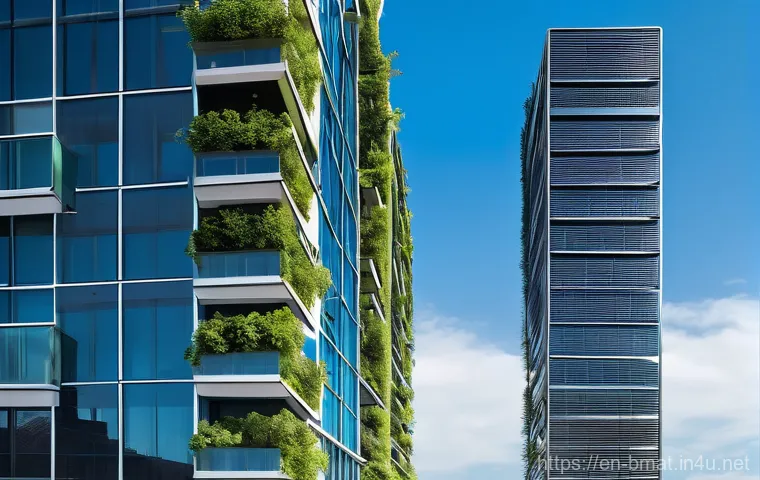
When I first heard about buildings that could literally clean the air, my initial thought was, “Is this for real?” But yes, it is! We’re talking about facades that aren’t just aesthetically pleasing, but actively work to reduce air pollution.
From what I’ve seen, it’s not a gimmick; these materials are incorporating photocatalytic technology that, when exposed to sunlight, breaks down harmful airborne pollutants like nitrogen oxides.
It’s essentially turning the exterior of our buildings into massive air filters, which is an absolutely genius concept. Imagine living in a city where every new building contributes to cleaner air instead of just standing there.
The impact on urban air quality could be transformative. I’ve personally walked past buildings utilizing these technologies, and while you can’t *see* the air getting cleaner, the science behind it is incredibly robust.
It’s a powerful example of how design and material science can converge to solve pressing environmental challenges. This innovation pushes the boundaries of what a building can *do* for its environment, moving beyond simple shelter to becoming an active participant in ecological health.
It makes perfect sense when you think about it: if every square meter of a building’s exterior can play a part in improving air quality, the collective effect across an entire city would be profound.
Energy Harvesting Structures: From Sun to Socket, Seamlessly
We’re also seeing incredible advancements in how buildings can generate their own power, often in ways that are far more integrated and aesthetically pleasing than traditional solar panels.
I’ve always been fascinated by how we can make our structures more self-sufficient, and energy harvesting materials are truly leading the charge. Think about transparent solar windows that generate electricity without blocking your view, or pavements that convert kinetic energy from footsteps into usable power.
My experience with these technologies, albeit mostly through demos and tours of cutting-edge facilities, tells me this is where we’re headed. The beauty of these solutions is their seamless integration into the very fabric of the building or urban environment.
It’s not just about bolting on an energy solution; it’s about making the building itself an active energy producer. This dramatically reduces reliance on external grids, lowers operational costs, and, critically, shrinks the carbon footprint.
For developers, this offers a compelling value proposition to potential tenants and buyers who are increasingly prioritizing sustainability and energy independence.
It also allows for more design flexibility, as energy generation no longer needs to dictate the aesthetic of the building in such a pronounced way.
The Lifecycle Advantage: True Sustainability from Cradle to Grave
The real magic of smart green materials extends far beyond their immediate function; it’s about their entire lifecycle. What truly resonates with me, having spent years observing the industry, is the commitment to considering a material’s journey from its origins to its end-of-life.
This means focusing on sourcing renewable or recycled inputs, minimizing energy and water during manufacturing, ensuring durability and repairability, and ultimately, making sure materials can be easily recycled or biodegraded without harm.
I’ve noticed a significant shift in thinking where companies aren’t just selling a product, but a sustainable promise. This holistic approach significantly reduces the overall environmental impact of construction projects.
For consumers, this translates to knowing that the building they inhabit, or the product they buy, contributes positively to the planet throughout its existence.
It’s no longer enough to just be “less bad”; the goal is to be actively regenerative. My take is that this comprehensive view of sustainability – from raw material extraction all the way to eventual repurposing or disposal – is what truly defines a genuinely green building.
It’s a deeper level of responsibility that sets the truly innovative players apart from those simply greenwashing.
Digital Twins and AI: Revolutionizing Design and Construction Project Management
Simulating Success: How Digital Replicas Optimize Every Step
Okay, if you haven’t heard about digital twins yet, you’re in for a treat! Imagine creating an exact virtual replica of a building, a bridge, or even an entire city *before* a single spade hits the dirt.
This isn’t just a fancy 3D model; it’s a dynamic, living digital counterpart that constantly updates with real-time data from its physical twin. I’ve seen firsthand how this technology is absolutely transforming project management.
From initial design iterations to construction scheduling and even post-occupancy facility management, a digital twin allows for unparalleled optimization.
My experience tells me that spotting potential clashes in design, simulating different structural loads, or even predicting maintenance needs becomes incredibly straightforward.
It’s like having a crystal ball for your construction project. This reduces errors, minimizes rework, and keeps projects on schedule and within budget, which, let’s be honest, is every project manager’s dream.
The ability to test scenarios virtually before committing resources physically saves an enormous amount of time and money, and drastically improves safety by identifying risks in a controlled environment.
It’s a game-changer for collaboration too, as all stakeholders can interact with the same up-to-date, comprehensive model.
AI-Powered Insights: Predicting and Preventing Project Hurdles
Now, supercharge that digital twin with artificial intelligence, and you’ve got a force to be reckoned with. AI isn’t just crunching numbers; it’s learning from vast datasets of past projects, environmental conditions, material performance, and even human behavior on site.
What this means in practice is that AI can predict potential delays, material shortages, or even safety risks long before they become critical problems.
I’ve been blown away by examples where AI algorithms analyze construction schedules and weather patterns to suggest optimal pouring times for concrete, or predict when a specific piece of equipment might require maintenance based on its operational data.
This predictive power is an absolute goldmine for preventing costly disruptions. It moves project management from a reactive state to a highly proactive one.
My feeling is that teams utilizing AI are simply light-years ahead, making more informed decisions, mitigating risks more effectively, and ultimately delivering higher quality projects on time and budget.
It’s taking the guesswork out of complex construction, allowing humans to focus on the strategic decisions that truly require their expertise, while the AI handles the predictive heavy lifting.
Smart Materials: When Buildings Start Thinking for Themselves
Responsive Architecture: Adapting to Environment in Real-Time

This is where buildings genuinely start to feel alive! Responsive architecture, driven by smart materials, means that structures can literally adapt to their environment in real-time.
We’re talking about facades that open and close based on sunlight intensity to optimize natural light and temperature, or windows that change their transparency to reduce glare and save energy.
From my observations, this isn’t just about comfort; it’s about incredible efficiency. Imagine a building that knows it’s a hot day and automatically adjusts its shading to prevent overheating, or a cold day and insulates itself further.
My personal take is that this level of integration between material and environment is the ultimate expression of intelligent design. It minimizes the need for active heating, ventilation, and air conditioning systems, leading to substantial energy savings and a much more comfortable indoor climate for occupants.
It’s like the building itself has a form of intelligence, constantly sensing and adjusting to create the perfect internal conditions, truly making it a dynamic rather than static entity.
This brings a whole new level of performance and resilience to our built spaces.
Sensory Structures: Giving Buildings the Power to “Feel”
And it gets even cooler! Beyond just responding, some of these smart materials are giving buildings the power to “feel” or sense what’s happening to and around them.
Think about embedded sensors within concrete that can detect structural stress long before it’s visible, or paints that change color to indicate environmental hazards.
My early engagements with these technologies revealed how profound their impact could be. This capability transforms a passive structure into an active monitoring system, providing invaluable data for maintenance, safety, and operational efficiency.
I recall a fascinating demonstration of a “smart rebar” that could wirelessly transmit data on its stress levels, giving engineers unprecedented insights into the integrity of a concrete structure.
This type of sensory feedback allows for predictive maintenance, meaning we can address potential issues before they become major problems, significantly enhancing safety and extending the lifespan of infrastructure.
It’s about building in a layer of intrinsic awareness, making our structures not just robust, but also incredibly communicative and intelligent. The era of silent, passive buildings is definitely coming to an end.
| Feature | Traditional Materials & Practices | Innovative Smart Materials & Tech |
|---|---|---|
| Durability & Maintenance | Reactive repairs, fixed lifespan, constant upkeep. | Proactive self-healing, extended lifespan, reduced manual intervention. |
| Environmental Impact | High resource consumption, significant waste, limited pollution control. | Recycled/renewable inputs, air/water purification, lower carbon footprint. |
| Energy Efficiency | Passive insulation, reliance on active HVAC systems. | Active energy harvesting, dynamic thermal regulation, integrated solar. |
| Project Management | Manual processes, limited foresight, sequential workflows. | AI-driven prediction, real-time digital twins, parallel optimization. |
| Occupant Experience | Static environments, basic comfort controls. | Adaptive comfort, personalized environments, enhanced indoor air quality. |
Marketing Masterclass: Connecting with the Eco-Conscious Consumer in Construction
Authenticity Sells: Why Sustainability Claims Need Substance
Here’s the thing about marketing in the age of green building: consumers are smarter than ever, and they can smell greenwashing a mile away. My advice, from countless conversations with successful marketers in this space, is that authenticity is non-negotiable.
It’s no longer enough to just slap a “green” label on something; you need to back it up with verifiable data, transparent processes, and genuine commitment.
I’ve personally seen brands thrive when they are completely open about their sustainable practices, even admitting areas where they’re still working to improve.
This builds immense trust. When you’re talking about eco-friendly materials or energy-efficient designs, you need to be ready to show the certifications, the lifecycle assessments, and the real-world impact.
People want to know that their investment is genuinely contributing to a better planet, not just a marketing ploy. My feeling is that the companies that truly embed sustainability into their core values, and then communicate that story honestly, are the ones winning over the increasingly discerning eco-conscious consumer.
It’s about demonstrating real effort and impact, not just making lofty claims.
Storytelling the Green Dream: Beyond the Brochure
So, how do you actually *tell* that authentic story? Forget the dry technical specs for a moment; people connect with narratives. I’ve learned that painting a vivid picture of the *benefits* of sustainable construction – a healthier home for your family, lower utility bills, a positive impact on the community – is far more effective than simply listing material properties.
For instance, instead of just saying “this wall uses recycled concrete,” describe how “this wall diverts tons of waste from landfills, giving new life to materials and reducing environmental strain, all while providing superior insulation for your home.” My experience has shown that emotional resonance is key.
Share testimonials from happy homeowners who are enjoying the benefits of lower energy costs or a healthier indoor environment. Use compelling visuals that showcase not just the beautiful design, but also the sustainable features in action.
It’s about creating a compelling narrative that resonates with the consumer’s values and aspirations. This goes beyond a simple brochure; it’s about creating engaging content, whether it’s through blog posts, videos, or interactive experiences, that truly immerses the potential client in the vision of a greener future.
Experience-Driven Marketing: Showcasing Innovation, Not Just Specs
Immersive Tech Tours: Virtual Reality for Future Buildings
In an industry where innovation is constantly pushing boundaries, how do you effectively showcase a building that doesn’t even exist yet, or a material that has transformative properties?
My answer: immersive technology. I’ve been absolutely captivated by how virtual reality (VR) and augmented reality (AR) are being leveraged to give clients and investors an unparalleled experience.
Imagine donning a VR headset and literally walking through a future building, experiencing its smart features, seeing how natural light filters in, or even interacting with different material choices.
It’s not just a blueprint anymore; it’s a living, breathing preview. This approach moves beyond abstract plans and gives potential buyers a visceral understanding of what they’re investing in.
My take is that this drastically reduces the perceived risk and dramatically increases engagement. It’s a powerful tool for architects to convey their vision, for developers to sell properties off-plan, and for material manufacturers to demonstrate their product’s benefits in a simulated real-world context.
This kind of hands-on “experience” even before construction begins is a true game-changer in how we market and sell future-forward construction projects.
Engaging the Senses: Making Material Choices Tangible
While digital is fantastic, there’s still an irreplaceable value in engaging the physical senses, especially when it comes to innovative materials. My advice to anyone marketing these new technologies is to create opportunities for people to *touch*, *feel*, and *see* these materials in person.
Think about interactive showrooms where clients can feel the texture of a self-healing concrete sample, or see a smart window change its opacity in real-time.
I’ve found that even the most high-tech material benefits from a tangible demonstration. For example, setting up a small demonstration of an air-purifying facade where people can observe the breakdown of pollutants (even if it’s an accelerated lab demonstration) can be incredibly impactful.
It grounds the innovation in reality and makes it less abstract. Providing samples that clients can take away, even small ones, keeps the conversation going.
This blend of cutting-edge digital immersion with grounded, sensory experiences creates a comprehensive and memorable marketing strategy that speaks to both the logical and emotional sides of a decision-maker.
It’s about making the intangible benefits of innovation feel truly real and accessible.
Wrapping Things Up
As we close the book on this dive into the future of construction, I hope you’re feeling as inspired as I am about the incredible innovations transforming our built world. From self-healing structures to AI-powered project management and buildings that literally clean our air, the pace of change is truly breathtaking. It’s no longer about just building bigger, but building smarter, more sustainably, and with an eye towards a future where our infrastructure actively contributes to a healthier planet and a better quality of life. My journey through these advancements has shown me that the imagination of engineers, scientists, and designers knows no bounds, and the best part is, we’re only just scratching the surface. What an exciting time to be involved, even as an observer, in shaping the world around us!
Useful Information to Know
1. Always prioritize lifecycle assessments when evaluating new construction materials. It’s not just about the initial cost, but the long-term environmental and financial impact.
2. Explore local government incentives for green building projects. Many regions offer significant tax breaks or grants for sustainable development and smart technologies.
3. Don’t underestimate the power of a digital twin. Even for smaller projects, simulating potential issues virtually can save immense time and money down the line.
4. Seek out certifications like LEED or BREEAM when choosing properties or materials, as these indicate a commitment to verifiable sustainable practices.
5. Engage with architectural and engineering firms that have a proven track record in smart and sustainable design; their expertise is invaluable in navigating these complex innovations.
Key Takeaways
The construction industry is experiencing a profound shift, driven by cutting-edge smart materials and intelligent technologies. We’re moving towards a future of self-healing, energy-harvesting, and air-purifying buildings that offer unparalleled efficiency and environmental benefits. Digital twins and AI are revolutionizing how projects are managed, leading to fewer errors and greater predictability. For consumers and developers alike, embracing these innovations means not only reduced operational costs and extended lifespans for structures but also a tangible contribution to a healthier, more sustainable planet. Authenticity and compelling storytelling are crucial for effectively communicating the value of these advancements to an increasingly eco-conscious market.
Frequently Asked Questions (FAQ) 📖
Q: What are these incredible “self-healing” and “air-cleaning” materials you mentioned, and are they really as revolutionary as they sound?
A: Oh, you’re hitting right at the heart of what excites me most! The concept of a building material that can essentially mend itself after damage used to feel like pure science fiction, but I’ve personally seen the advancements, and it’s very real and absolutely revolutionary.
We’re talking primarily about self-healing concrete. The magic often comes from tiny, dormant bacteria, like bacillus pasteurii, that are mixed into the concrete.
The second a crack appears, allowing water and oxygen to seep in, these ingenious microbes wake up. They start converting nutrients within the concrete into calcium carbonate, which is essentially limestone.
This limestone then fills the cracks, sealing them up tight. Think about that for a second! No more expensive, time-consuming manual repairs for minor cracks.
This significantly extends the lifespan of structures, dramatically cuts down on maintenance costs, and even protects internal steel reinforcement from corrosion.
From my experience, this isn’t just a fancy lab experiment; it’s being developed for real-world applications in bridges, tunnels, and even our homes. While “air-cleaning” materials are still more in the aspirational or very niche stages when it comes to being a core building material that actively scrubs the atmosphere (beyond what plants on a green roof might do), the sheer potential of self-healing materials alone is enough to make me believe we’re on the cusp of an incredible new era for durability and efficiency in construction.
The long-term savings and environmental benefits are truly game-changing.
Q: With all the buzz around sustainability, how is the construction and design world genuinely embracing eco-friendly practices beyond just marketing speak?
A: That’s such a crucial question, because let’s be honest, “greenwashing” is a real concern! But from what I’ve witnessed on countless sites and in design studios, the commitment to genuine sustainability in construction and design is no longer just a trend; it’s becoming a fundamental pillar.
We’re seeing a massive shift towards using materials that have a lower environmental impact, like eco-friendly alternatives to traditional concrete and steel.
For instance, low-carbon concrete solutions are gaining traction, significantly reducing the carbon footprint of our builds. I’ve also been incredibly impressed by the rise of prefabrication and modular construction.
Imagine building significant portions of a structure off-site in a controlled environment – it leads to less waste, more efficient use of resources, and faster assembly on-site.
Then there are innovations like green roofing systems, which aren’t just pretty; they reduce the urban heat island effect and manage stormwater. We’re also embracing water-permeable concrete that helps with groundwater recharge and prevents flooding.
It’s about a holistic approach, from utilizing recycled materials in the very foundation to designing for circularity, meaning materials can be reused or recycled at the end of a building’s life.
This isn’t just about feeling good; it’s smart business, offering long-term energy savings and reduced operating costs for homeowners and developers alike.
The industry is realizing that truly sustainable practices improve both the planet and the bottom line.
Q: You hinted at big changes in marketing for our industry with
A: I. How exactly is AI transforming how we promote and talk about construction and design projects? A3: Oh, AI in marketing for construction and design?
It’s like strapping a rocket to your outreach efforts! I’ve seen firsthand how it’s completely reshaped how we connect with clients and showcase our projects.
Gone are the days of generic brochures. Now, AI allows us to get incredibly personal and precise. For starters, it’s a powerhouse for content creation.
Think about generating fresh, engaging blog topics that truly resonate with what people are searching for, or crafting compelling social media posts that grab attention instantly.
I’ve used AI tools to brainstorm ideas, ensuring my content is always relevant and hitting those sweet spots for engagement. Beyond content, AI is phenomenal for optimizing ad placements, ensuring our project showcases reach the absolute right eyes at the perfect moment.
It helps us understand market trends and predict client needs with uncanny accuracy, allowing us to tailor our pitches and virtual tours to what each potential client truly values.
And let’s not forget the design side of marketing! AI-powered design algorithms can rapidly generate optimized layouts and stunning visualizations, which means we can present a more vivid, personalized vision of a project even before breaking ground.
It’s not about replacing human creativity, but amplifying it, giving us more time to focus on the truly emotional and experiential aspects of design and construction.
Honestly, it’s making our marketing efforts far more efficient, effective, and exciting!