In today’s fiercely competitive construction market, standing out requires more than just quality materials—it demands a strong, memorable brand. As innovation reshapes building technologies and customer expectations rise, mastering branding strategies has become essential for construction businesses aiming to thrive.
Whether you’re a seasoned contractor or a newcomer, understanding how to elevate your brand can unlock new opportunities and build lasting client trust.
Let’s dive into the creative approaches that can transform your building material business and set you apart in this evolving industry. Stick around to discover practical insights that can boost your growth and reputation.
Building a Distinctive Brand Identity in Construction Materials
Crafting a Unique Visual Presence
Developing a visually compelling brand identity is the cornerstone of standing out in the construction materials market. This means going beyond just a logo; it involves selecting a consistent color palette, typography, and design elements that reflect your company’s values and the quality of your products.
For instance, earthy tones can communicate reliability and sustainability, while sharp, modern fonts might suggest innovation and forward-thinking. When I revamped my company’s branding, clients immediately commented on how the new look felt trustworthy and professional, which opened doors to new partnerships.
Consistency across all touchpoints—from packaging to website to vehicle wraps—reinforces recognition and trust.
Communicating Your Brand Story Effectively
Your brand story is what connects emotionally with customers and differentiates you from competitors. Share the origins of your company, your commitment to quality, or your innovations in material technology.
I’ve found that customers appreciate hearing about the challenges we overcame to source eco-friendly materials or how our team’s expertise ensures product durability.
This narrative can be communicated through videos, blog posts, and customer testimonials. The goal is to make your brand relatable and memorable so that when a contractor or builder thinks about purchasing materials, your story is top of mind.
Leveraging Brand Voice for Engagement
How your brand speaks to your audience shapes their perception and engagement. A friendly, knowledgeable tone helps humanize your business and encourages interaction.
For example, instead of technical jargon, explain product benefits in everyday language to make it accessible. When I shifted to a conversational style in emails and social media, I noticed a significant increase in inquiries and repeat visits to our site.
Maintaining this voice consistently across all platforms builds a reliable and approachable brand personality that clients feel comfortable with.
Harnessing Digital Tools to Amplify Brand Reach
Optimizing Your Website for User Experience
Your website is often the first impression potential customers have of your brand. A clean, easy-to-navigate site that highlights your products, certifications, and case studies can significantly boost credibility.
Including high-quality images and detailed product specs helps contractors make informed decisions without endless back-and-forth. Personally, investing in a mobile-responsive design and clear calls to action increased our online quote requests dramatically, showing how user-friendly design directly impacts lead generation.
Utilizing Social Media to Build Community
Social media platforms offer powerful channels to showcase your products in action, share industry news, and engage directly with clients. Posting project highlights, behind-the-scenes content, and how-to guides not only builds brand awareness but also positions your company as a helpful resource.
From my experience, platforms like Instagram and LinkedIn work well for connecting with both individual builders and corporate clients. Regular interaction through comments and messages also nurtures relationships and can lead to referrals.
Investing in Content Marketing for Authority
Creating valuable content such as blog posts, whitepapers, and videos educates your audience and establishes your brand as an industry leader. For example, sharing insights on the latest sustainable materials or installation tips can attract builders looking for expert advice.
I found that publishing consistent, well-researched articles improved our search engine rankings and brought in quality traffic that converted to sales.
Content marketing is a long-term investment that pays off by building trust and keeping your brand top-of-mind.
Building Trust Through Quality and Transparency
Showcasing Certifications and Industry Standards
Displaying your adherence to recognized standards and certifications reassures clients about your product quality and safety. Whether it’s ISO certification, LEED compliance, or third-party testing reports, prominently featuring these credentials on your website and marketing materials builds confidence.
When I started highlighting our eco-friendly certifications, we attracted a new segment of environmentally conscious builders, proving how transparency can open new markets.
Offering Transparent Pricing and Clear Policies
Clear communication about pricing, delivery timelines, and return policies reduces friction in the buying process. Customers appreciate honesty, especially in construction, where budgets and schedules are tight.
Personally, providing detailed quotes upfront and explaining any additional costs helped minimize disputes and built stronger client relationships. Transparency here is a direct reflection of your brand’s integrity.
Encouraging and Managing Customer Feedback
Actively seeking and responding to customer reviews and feedback shows that you value client input and are committed to improvement. I’ve seen firsthand how addressing concerns promptly and publicly can turn a dissatisfied customer into a loyal advocate.
Incorporating testimonials and case studies into your marketing also leverages social proof, which is crucial in building trust in a competitive industry.
Innovating Product Offerings to Match Market Needs
Identifying Emerging Trends and Customer Preferences
Staying ahead means understanding what builders and contractors are looking for next. Trends like sustainable materials, smart building components, and modular systems are reshaping the market.
I make it a point to attend trade shows and read industry reports regularly, which helps us adapt our product line accordingly. Offering materials that align with current demands positions your brand as a forward-thinking leader.
Collaborating with Suppliers and Tech Experts
Partnering with innovative suppliers and technology experts can enhance your product offerings and create unique selling points. For example, collaborating on developing a new composite material with enhanced durability gave us a competitive edge.

These partnerships also enrich your brand story and demonstrate a commitment to continuous improvement, which resonates well with customers.
Customizing Solutions for Client-Specific Needs
Providing tailored solutions can differentiate your brand significantly. Contractors often face unique challenges depending on project scale and location.
By offering customization options—whether in product dimensions, finishes, or packaging—you build a reputation for flexibility and client focus. I’ve noticed that clients who receive customized service tend to become repeat customers and recommend us within their networks.
Strategic Partnerships and Networking for Brand Expansion
Aligning with Complementary Businesses
Forming alliances with architects, contractors, and design firms creates mutual referral opportunities and expands brand visibility. I once partnered with a local architecture firm to co-host webinars on sustainable building materials, which introduced our brand to their client base.
Such collaborations also enhance credibility and create a broader ecosystem where your brand is seen as a trusted resource.
Participating in Industry Events and Trade Shows
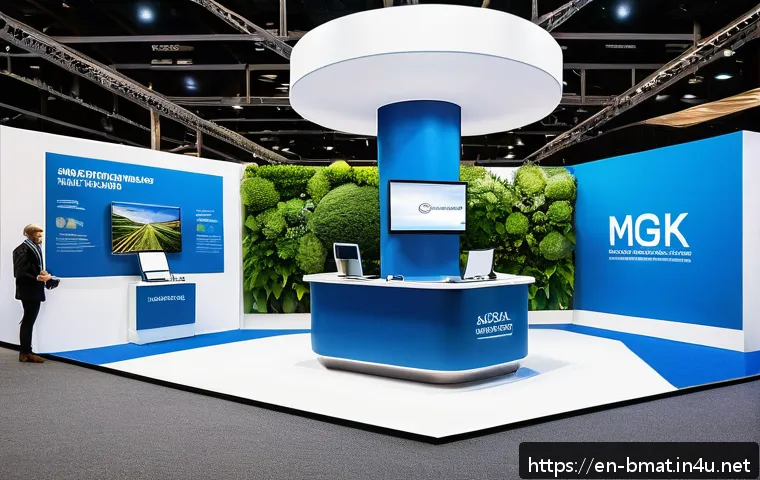
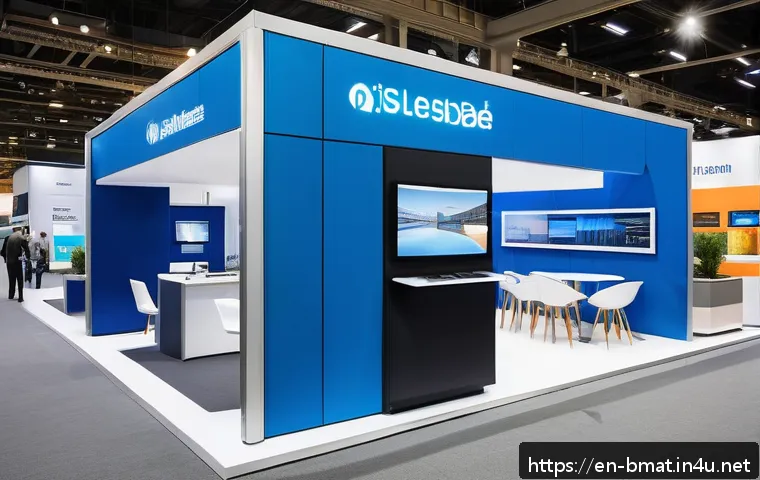
Active involvement in industry events is a powerful way to showcase your brand and build relationships. Exhibiting at trade shows allows you to demonstrate products live, gather feedback, and connect directly with decision-makers.
Over the years, I’ve found that investing in a memorable booth design and engaging presentations pays off by generating qualified leads and reinforcing brand recognition.
Utilizing Local Community Engagement
Supporting local building initiatives or sponsoring community projects can humanize your brand and build goodwill. Whether it’s donating materials for a community center or participating in workforce training programs, these actions reflect your company’s values beyond profit.
Customers and partners often remember brands that contribute positively to their communities, which helps sustain long-term business success.
Measuring Branding Success and Adapting Strategies
Tracking Key Performance Indicators
To understand the impact of your branding efforts, it’s critical to monitor metrics such as website traffic, social media engagement, lead conversion rates, and customer retention.
When I started using analytics tools to track these indicators, I was able to identify which campaigns resonated and where to improve. Regular analysis ensures your strategies remain effective and aligned with business goals.
Gathering Customer Insights Through Surveys
Direct feedback from customers provides invaluable information about brand perception and satisfaction. Conducting surveys after purchase or project completion uncovers strengths and areas for improvement.
I recall discovering through a survey that customers valued our prompt delivery more than our product range, which helped us prioritize logistics enhancements in our branding message.
Adapting and Innovating Based on Market Feedback
The construction materials market is dynamic, and staying relevant means being willing to pivot your branding tactics. Whether it’s adopting new technologies, refreshing visual elements, or exploring untapped customer segments, flexibility is key.
From my experience, brands that listen and evolve with their customers thrive longer and build deeper loyalty.
| Branding Element | Key Actions | Impact on Business |
|---|---|---|
| Visual Identity | Consistent logo, colors, typography; packaging design | Enhanced recognition and professionalism |
| Digital Presence | Mobile-friendly website, active social media, content marketing | Increased leads, improved SEO, stronger engagement |
| Trust Building | Certifications display, transparent pricing, customer feedback management | Higher client confidence and loyalty |
| Product Innovation | Trend monitoring, supplier collaboration, customization options | Competitive differentiation and expanded market reach |
| Partnerships & Networking | Industry alliances, trade shows, community involvement | Broader visibility and referral networks |
| Performance Measurement | Analytics tracking, customer surveys, strategy adaptation | Continuous improvement and sustained growth |
Conclusion
Building a distinctive brand identity in the construction materials industry requires a strategic blend of visual consistency, authentic storytelling, and customer-focused communication. By embracing digital tools and fostering trust through transparency and quality, your brand can truly stand out. Continuous innovation and strong partnerships further solidify your market position, ensuring long-term growth and customer loyalty.
Helpful Information
1. Consistent branding across all platforms strengthens recognition and builds trust with your audience.
2. Engaging storytelling connects emotionally, making your brand memorable and relatable to clients.
3. Optimizing your website and leveraging social media increase visibility and lead generation effectively.
4. Transparency in pricing and certifications builds credibility and nurtures customer loyalty.
5. Regularly tracking performance metrics and adapting strategies keeps your brand competitive and relevant.
Key Takeaways
Establishing a strong brand in construction materials hinges on clear visual identity, meaningful customer engagement, and a commitment to quality and transparency. Utilizing digital marketing and content strategies enhances reach and authority, while innovation and tailored solutions meet evolving market needs. Building strategic partnerships and measuring success through data-driven insights ensure sustainable brand growth and lasting client relationships.
Frequently Asked Questions (FAQ) 📖
Q: uestionsQ1: How can a construction business effectively build a strong brand in a competitive market?
A: Building a strong brand in construction starts with clearly defining your unique value proposition—what sets you apart from competitors. Focus on consistent messaging across all channels, including your website, social media, and client communications.
Showcasing successful projects with high-quality visuals and client testimonials builds trust. Additionally, investing in professional branding elements like a memorable logo and cohesive color schemes can make your business more recognizable.
From my experience, regularly engaging with your audience through helpful content or community involvement also deepens brand loyalty.
Q: What role does innovation play in enhancing a building material company’s brand?
A: Innovation is a game-changer in today’s construction market because it signals that your company is forward-thinking and responsive to modern challenges.
Whether it’s adopting eco-friendly materials, integrating smart technology, or streamlining supply chains, innovation can become a key part of your brand story.
When customers see that you’re committed to improving quality and efficiency through new solutions, it builds credibility and differentiates you from more traditional competitors.
I’ve noticed that highlighting these innovations in marketing efforts often leads to increased client interest and stronger word-of-mouth referrals.
Q: How can small or new construction businesses compete with established brands in terms of branding?
A: Small or new construction businesses can compete by focusing on niche markets or specialized services where they can excel. Personalized customer service and building strong local connections can create a loyal client base that bigger companies might overlook.
Sharing authentic stories about your team, your values, and your project successes creates an emotional connection that resonates deeply with customers.
From my own observations, leveraging digital marketing tools like targeted social media ads and local SEO can help smaller businesses gain visibility quickly without a huge budget.
Consistency and genuine engagement are key to growing your brand presence over time.