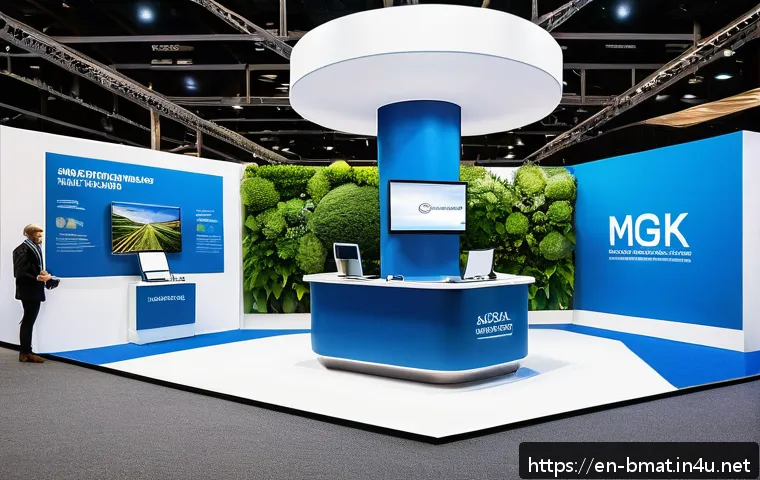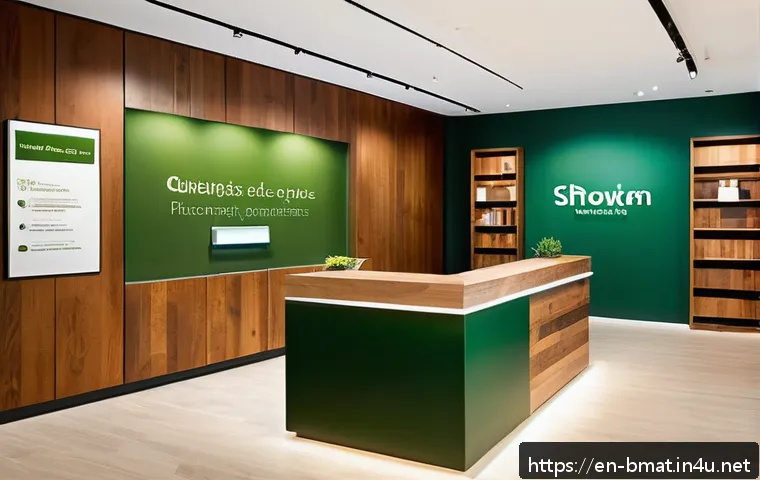
Diving into the world of building materials marketing opens up exciting opportunities to connect innovative products with the right audiences. Understanding market trends, customer needs, and effective communication strategies can transform your approach from ordinary to exceptional.

Whether you’re new to the field or looking to sharpen your skills, mastering these elements is key to standing out in a competitive industry. From digital campaigns to relationship building, every step shapes your success.
Let’s explore the essential strategies and insider tips that will elevate your expertise and impact. Get ready—I’ll guide you through everything you need to know!
Unlocking Customer Insights for Smarter Marketing
Understanding Buyer Behavior in Construction
In the building materials industry, knowing what drives your customers’ purchasing decisions is a game changer. Buyers often juggle factors like durability, cost-effectiveness, and sustainability, but their priorities can shift depending on the project type—residential, commercial, or industrial.
From my experience working with contractors and architects, I’ve learned that they value suppliers who not only offer quality products but also provide reliable technical support and timely delivery.
Tracking these preferences through surveys and direct conversations helps tailor your marketing messages so they hit the right notes every time.
Segmenting Your Market for Targeted Messaging
Trying to appeal to everyone usually means appealing to no one. Dividing your audience into clear segments—such as DIY homeowners, professional builders, or large-scale developers—allows you to craft messages that resonate deeply.
For instance, a DIYer cares about ease of use and tutorials, while a developer looks for bulk discounts and compliance certifications. Segmenting helps avoid generic campaigns and boosts engagement, which ultimately lifts your conversion rates.
Leveraging Data Analytics to Predict Trends
The power of data in marketing can’t be overstated. Using analytics tools to monitor website traffic, social media interactions, and sales patterns reveals emerging trends before they become mainstream.
I’ve often spotted a surge in eco-friendly material searches well ahead of competitors by analyzing keyword trends and customer feedback online. This foresight lets you adjust inventory and marketing angles proactively, keeping your brand ahead in a fiercely competitive market.
Crafting Compelling Content That Converts
Storytelling Techniques That Build Trust
Building materials can seem dry if presented as just specs and prices. Instead, weaving stories about how your products solve real problems or improve building projects creates emotional connections.
For example, sharing a case study of a contractor who saved time and money using your insulation product adds authenticity. This approach not only educates but also inspires confidence, making your audience more likely to choose your brand.
Visual Content That Speaks Volumes
High-quality images, videos, and infographics are indispensable in construction marketing. I’ve seen firsthand how a well-produced installation video or a 3D rendering of a finished project can dramatically boost engagement.
Visuals help simplify complex product features and demonstrate benefits in a way words alone can’t. They’re particularly powerful on social media platforms where attention spans are short but impact needs to be immediate.
Optimizing Content for Search Engines
SEO isn’t just about stuffing keywords; it’s about making content useful and discoverable. I’ve improved site rankings by focusing on long-tail keywords specific to building materials, like “fire-resistant roofing tiles” or “eco-friendly concrete mixes.” Combining this with thorough meta descriptions, fast page loads, and mobile-friendly designs ensures your content reaches the right people organically, driving sustainable traffic.
Harnessing Digital Channels to Amplify Reach
Social Media Strategies for the Construction Sector
Social media may seem more suited for consumer brands, but construction companies can thrive here too. LinkedIn is excellent for B2B networking, while Instagram and YouTube showcase products in action.
I’ve found that sharing behind-the-scenes content, project highlights, and customer testimonials sparks authentic engagement. Scheduling posts consistently and interacting with followers builds a loyal online community that translates into repeat business.
Email Marketing That Feels Personal
Email remains a powerful tool when done right. Segmenting your email list and sending personalized content—like product recommendations based on past purchases or exclusive invitations to webinars—makes recipients feel valued.
From my campaigns, emails with a conversational tone and clear calls to action outperform generic blasts. Tracking open rates and click-throughs also allows continuous refinement for better results.
Paid Advertising to Boost Visibility
While organic reach is crucial, paid ads accelerate growth by putting your message in front of targeted audiences instantly. Google Ads and social media platforms offer advanced targeting options, including location, profession, and interests.
I’ve leveraged retargeting ads to re-engage visitors who didn’t convert initially, which significantly increased lead generation. Budgeting wisely and monitoring ad performance ensures you get the most bang for your buck.
Building and Nurturing Professional Relationships
Networking with Industry Influencers
Influencers in the construction world—whether architects, engineers, or popular contractors—can amplify your brand’s credibility. Collaborating with them on product reviews or joint projects creates authentic endorsements that resonate with their followers.
I’ve personally benefited from these partnerships by gaining access to new customer segments and enhancing trust through third-party validation.
Customer Service as a Marketing Tool
Exceptional customer service often turns clients into brand advocates. Prompt responses to inquiries, flexible problem-solving, and after-sales support make a lasting impression.
From my interactions, customers appreciate transparency and proactive communication, which can lead to positive reviews and word-of-mouth referrals—both invaluable for long-term growth.
Participation in Trade Shows and Conferences
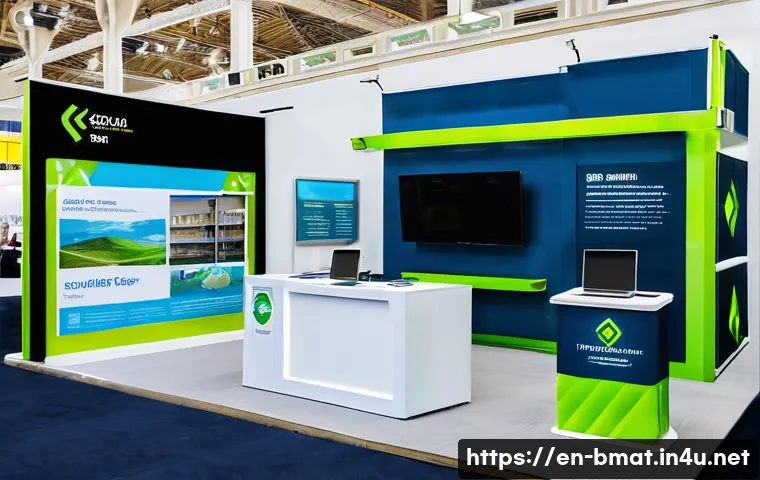
Face-to-face interactions at industry events remain invaluable. Exhibiting or attending trade shows allows direct dialogue with potential buyers and partners, offering insights that online channels might miss.
I’ve found that live demos and hands-on experiences at these events generate excitement and trust that digital content alone can’t replicate.
Staying Ahead with Innovation and Sustainability
Embracing Green Building Trends
Sustainability is no longer optional—it’s expected. Marketing eco-friendly materials not only meets regulatory demands but also appeals to an increasingly conscious buyer base.
Highlighting certifications like LEED or showcasing lifecycle benefits in your campaigns positions your brand as a forward-thinking leader. Personally, integrating these elements into marketing stories has attracted a loyal segment of environmentally minded customers.
Adopting Technology for Smarter Marketing
From virtual reality product demos to AI-driven customer service chatbots, technology is transforming how building materials are marketed. I experimented with VR walkthroughs of building projects, which gave clients a tangible sense of how materials perform in real settings.
These innovations enhance user experience and differentiate your brand in a crowded marketplace.
Continuous Learning and Adaptation
The construction market evolves rapidly, and staying static means falling behind. I prioritize attending workshops, reading industry reports, and engaging with professional groups to keep my knowledge fresh.
This ongoing learning enables quick pivots in strategy and the ability to seize new opportunities before competitors do.
Measuring Success and Optimizing Campaigns
Tracking Key Performance Indicators (KPIs)
Knowing what to measure is half the battle. For building materials marketing, important KPIs include website traffic, lead generation rates, conversion percentages, and customer acquisition costs.
I use dashboards to monitor these metrics in real time, enabling swift adjustments to campaigns. For example, a drop in click-through rates on product pages signals the need for better content or calls to action.
Analyzing Customer Feedback
Feedback is a goldmine for improvement. Collecting reviews, surveys, and direct client comments helps identify pain points and opportunities. I’ve revamped marketing materials based on consistent feedback, such as clarifying technical details or adding installation tips, which has improved customer satisfaction and sales.
Experimenting and A/B Testing
No marketing strategy is perfect from the start. Running A/B tests on headlines, images, or email formats reveals what truly resonates with your audience.
I’ve found that even small tweaks can dramatically boost engagement metrics. This iterative approach ensures campaigns evolve based on real data, not guesswork.
| Marketing Strategy | Key Focus | Benefits | Tools & Techniques |
|---|---|---|---|
| Customer Segmentation | Targeting specific buyer groups | Higher engagement, better conversion | Surveys, CRM software, analytics |
| Content Marketing | Storytelling and visual media | Builds trust, educates audience | Video production, SEO, blogging |
| Digital Advertising | Paid visibility and retargeting | Quick lead generation, brand awareness | Google Ads, social media ads |
| Relationship Building | Networking and customer service | Repeat business, referrals | Events, influencer collaborations |
| Innovation & Sustainability | Eco-friendly products and tech | Market differentiation, regulatory compliance | Certifications, VR demos, AI tools |
| Performance Measurement | Tracking and optimizing KPIs | Data-driven decisions, improved ROI | Analytics dashboards, A/B testing |
In Conclusion
Unlocking customer insights is essential for crafting smarter, more effective marketing strategies in the construction materials industry. By understanding buyer behavior, leveraging data, and embracing innovation, brands can build stronger connections and stay ahead of the competition. Combining targeted messaging with engaging content and relationship-building efforts creates a well-rounded approach that drives meaningful results.
Useful Information to Keep in Mind
1. Segment your audience precisely to tailor marketing messages that truly resonate and increase engagement.
2. Use storytelling and high-quality visuals to create emotional connections and make technical products more relatable.
3. Monitor key performance indicators regularly to optimize campaigns and improve return on investment.
4. Leverage digital channels like social media and email marketing to expand your reach and nurture customer loyalty.
5. Stay updated with industry trends and technology to maintain a competitive edge and meet evolving customer expectations.
Key Takeaways
Understanding your customers’ unique needs and behaviors is the foundation of successful marketing in the building materials sector. Targeted segmentation combined with compelling content enhances trust and drives conversions. Utilizing data analytics and continuous testing ensures your campaigns remain effective and adaptable. Building strong professional relationships and embracing sustainability and innovation not only differentiate your brand but also foster long-term growth. Consistent measurement and refinement of your marketing efforts guarantee that you’re investing resources wisely for maximum impact.
Frequently Asked Questions (FAQ) 📖
Q: What are the most effective marketing channels for building materials companies today?
A: From my experience, digital marketing channels like social media and targeted email campaigns are incredibly effective for reaching architects, contractors, and builders.
LinkedIn, in particular, offers great opportunities to connect with industry professionals. Additionally, trade shows and industry events still play a vital role in building face-to-face relationships and showcasing products in action.
Combining these digital and in-person approaches creates a well-rounded strategy that boosts visibility and trust.
Q: How can I better understand my target audience in the building materials market?
A: Getting to know your audience starts with research—surveying customers, analyzing competitors, and monitoring industry trends. Personally, I’ve found that engaging directly with users through interviews or feedback sessions uncovers insights you won’t get from data alone.
For instance, understanding what challenges contractors face on-site can help you tailor your messaging to highlight how your materials solve real problems.
This empathetic approach makes your marketing more relevant and impactful.
Q: What key message should I focus on when promoting innovative building materials?
A: Highlighting the unique benefits that address your audience’s pain points is crucial. For example, if your product offers better durability or sustainability, emphasize how it reduces long-term costs or environmental impact.
I’ve noticed that storytelling—sharing real-life success stories or case studies—resonates well and builds credibility. People want to know not just what the product is, but how it makes their work easier, safer, or more efficient.