Hey there, builders, designers, and innovators! You know, it feels like just yesterday we were talking about basic bricks and mortar, but wow, how the world of construction materials has utterly transformed.
If you’re anything like me, you’ve probably noticed the incredible buzz around sustainable solutions and smart technologies changing our skylines and homes faster than we can keep up.
I’ve personally seen how a small, innovative material can completely disrupt the market, from energy-efficient windows that practically pay for themselves to recycled composites that are stronger than traditional lumber.
The game isn’t just about having a great product anymore; it’s about how you tell its story and get it into the hands of the people who need it most. It’s a crowded space out there, and frankly, standing out isn’t just an option, it’s an absolute necessity.
Whether you’re a seasoned manufacturer or a budding innovator, mastering your promotion strategy is key to not just surviving, but truly thriving. I’ve spent countless hours digging into what actually works in today’s dynamic landscape, and trust me, there are some seriously clever tactics you might be overlooking.
It’s all about connecting with your audience on a deeper level and showcasing the genuine value you bring to every project. So, are you ready to redefine how your materials are perceived and adopted in this exciting new era?
Let’s dive in and explore exactly how you can make your mark and ensure your materials are the talk of the town!
Unveiling Your Material’s True Narrative: Beyond the Blueprint
You know, for years, I’ve watched countless manufacturers focus solely on the technical specs of their amazing products, almost forgetting that behind every purchase order is a human being.
It’s like they’re trying to sell a brilliant painting by only listing the pigments used. What truly captivates architects, builders, and even the end-users is the story behind your material.
What problem does it solve? What vision does it bring to life? I remember stumbling upon a small, innovative insulation company a few years back.
Their product was fantastic, truly top-tier, but their marketing felt dry. After a chat, we shifted their focus from R-value numbers to the tangible comfort, energy savings, and peace of mind their insulation offered families.
Suddenly, it wasn’t just insulation; it was a promise of a warmer home and a lower utility bill. That personal connection, that emotional resonance, is what sticks.
It’s about moving from “what it is” to “what it means” for their projects and lives. We need to frame our materials not just as components, but as solutions that elevate spaces and enhance experiences.
Think about the legacy you’re helping them build.
Articulating Your Core Value Proposition
This isn’t just a fancy phrase; it’s the heartbeat of your promotion. What unique benefit does your material offer that nobody else can quite match? Is it unparalleled durability, eco-friendliness, aesthetic flexibility, or perhaps an installation advantage that saves time and money?
Whatever it is, you need to articulate it clearly, concisely, and compellingly. I’ve found that drilling down to that single, undeniable “aha!” moment for your audience is crucial.
For instance, a composite decking material might boast incredible longevity, but the true value proposition is “maintenance-free summers for decades.” That’s what resonates with busy homeowners and developers alike.
Humanizing Your Brand’s Identity
It’s easy for a materials company to feel a bit faceless. But behind every innovative product are passionate people, right? Sharing the journey, the struggles, the breakthroughs, and the dedicated team that makes it all happen can create an incredibly powerful bond.
I’ve seen brands that share videos of their manufacturing process, introduce their engineers, or highlight their commitment to local communities. This transparency builds trust and makes your brand relatable.
People buy from people they trust, even in B2B environments. Let your passion shine through!
Navigating the Digital Landscape: Beyond Traditional Advertising
Gone are the days when a full-page ad in a trade magazine was your primary strategy. While print still has its place, the digital realm is where the real conversations are happening, where decisions are being researched, and where new opportunities are constantly emerging.
If you’re not deeply entrenched in digital marketing, you’re quite simply missing out on connecting with a massive audience that’s actively looking for solutions just like yours.
I recall a client who was initially hesitant to invest in social media for their specialty roofing materials. They thought, “Who’s looking for industrial roofing on LinkedIn?” But once we demonstrated the power of targeted campaigns, engaging content, and thought leadership pieces, their inbound leads soared.
It’s not just about being there; it’s about being there strategically, with compelling content that speaks directly to the needs and pain points of your target audience.
This is where you educate, inspire, and ultimately, convert.
Mastering Search Engine Optimization for Visibility
Let’s be real: if people can’t find you, they can’t buy from you. And today, “finding you” often means through a Google search. Optimizing your website and content for relevant keywords isn’t just a technical chore; it’s a fundamental marketing pillar.
Are you showing up when an architect searches for “sustainable cladding solutions” or when a builder looks for “fire-resistant drywall alternatives”? My advice?
Think like your customer. What would *they* type into a search engine? Focus on creating high-quality, authoritative content that answers those questions comprehensively.
This not only helps search engines understand your relevance but also positions you as a trusted resource.
Harnessing the Power of Visual Content and Video
Construction materials are inherently visual. People want to see them in action, understand their texture, color, and how they perform. High-quality photography, detailed schematics, and especially video content can be absolute game-changers.
I’ve found that short, engaging video testimonials from satisfied clients, time-lapses of installations, or even simple animations explaining complex material properties perform incredibly well.
They communicate information faster and more effectively than text alone, captivating audiences and keeping them engaged. This boosts watch time and builds a stronger emotional connection.
Building Authority Through Thought Leadership and Expertise
In a crowded market, simply stating you have a great product isn’t enough; you need to *prove* you’re a leader in your field. This means sharing your knowledge, insights, and unique perspective, not just about your products, but about the industry as a whole.
When you consistently provide valuable information, you build a reputation as an expert, a go-to source for reliable insights. I’ve personally seen how a well-placed article or a compelling whitepaper can dramatically elevate a brand’s standing.
It positions you not just as a vendor, but as a trusted advisor, someone who understands the challenges and opportunities within the construction sector.
This level of engagement fosters deep respect and encourages genuine collaboration.
Contributing to Industry Publications and Forums
Don’t keep all your brilliant ideas to yourself! Look for opportunities to share your expertise through guest posts on prominent industry blogs, articles in trade magazines, or by participating actively in online forums and professional communities.
When you offer genuinely helpful advice, answer questions, and contribute to conversations, you naturally attract attention and build credibility. I’ve witnessed the transformation of small businesses into industry stalwarts simply by consistently providing value to their peers and prospective clients through these channels.
It’s about giving before you take.
Hosting Webinars and Educational Workshops
Imagine having an entire audience captivated by your insights into a critical industry topic. That’s the power of webinars and workshops. These platforms allow you to dive deep into complex subjects, showcase your material’s unique applications, and directly answer questions from potential clients.
It’s an interactive way to demonstrate your expertise and build a relationship. I once helped a specialty concrete manufacturer host a series of webinars on “Advanced Concrete Curing Techniques.” The engagement was phenomenal, and it directly led to several significant project inquiries because attendees saw them as the undisputed experts.
Cultivating Strong Relationships with Architects and Designers
Let’s be honest, architects and designers are often the gatekeepers, the visionaries who specify materials for countless projects. Their recommendations carry immense weight, and if your material isn’t on their radar, you’re missing a huge piece of the pie.
Building genuine, lasting relationships with this community isn’t just good business; it’s essential. It’s not about pushing sales; it’s about understanding their creative process, their challenges, and how your materials can help them bring their most ambitious visions to life.
I’ve found that the best way to earn their trust is by being a resource, not just a vendor.
Providing Unparalleled Technical Support and Resources
Architects and designers need accurate, easily accessible information. This includes detailed specifications, CAD drawings, BIM objects, performance data, and installation guides.
Making these resources readily available and easy to navigate on your website, or even better, through a dedicated portal, is invaluable. I’ve personally seen architects sigh in relief when they find a manufacturer’s site that has all the technical documentation perfectly organized.
It saves them time and hassle, making your material a more attractive option. Think about providing them with everything they need to seamlessly integrate your product into their designs.
Sponsoring and Participating in Industry Events and Awards
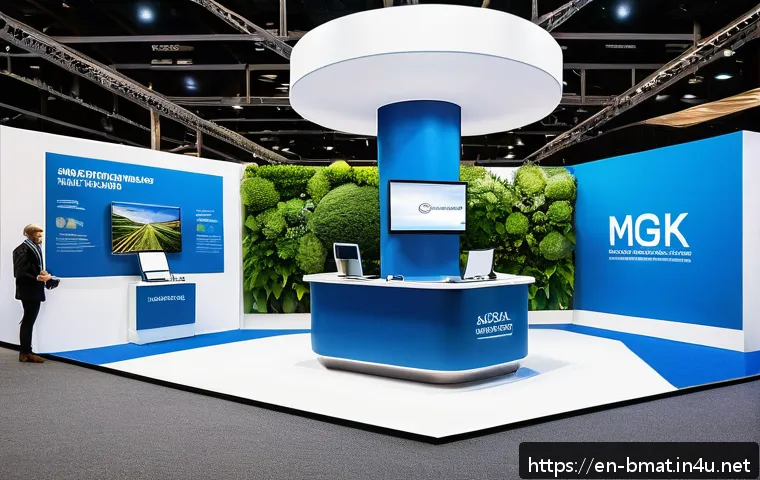
Visibility within the architectural and design community is paramount. Sponsoring local AIA chapters, design award programs, or industry conferences puts your brand directly in front of key decision-makers.
It’s an opportunity to network, learn about emerging trends, and showcase your materials in a highly relevant context. I’ve seen smaller companies gain significant traction by actively participating in these events, not just as sponsors, but by having their team present, answer questions, and genuinely engage with attendees.
It demonstrates commitment to the industry and allows for authentic connection.
Leveraging Customer Success Stories and Testimonials: Social Proof That Sells
You can talk about how great your material is all day long, but nothing, and I mean *nothing*, is as powerful as hearing it directly from a satisfied customer.
Social proof is gold in the construction industry. When a respected contractor raves about your material’s ease of installation, or an architect highlights its stunning aesthetic in a finished project, that carries far more weight than any marketing copy you could ever write.
I’ve always made it a priority to capture these stories because they’re not just testimonials; they’re compelling narratives that inspire confidence and build immediate credibility.
Showcasing Diverse Case Studies and Project Portfolios
A simple quote is a good start, but a detailed case study is a masterpiece. These tell the full story: the client’s initial challenge, how your material provided the perfect solution, the installation process, and the impressive final results.
Include high-quality photos, project details, and quotes from the project team. I helped a flooring company create a series of case studies that showcased their products in everything from bustling airport terminals to serene residential homes.
The variety and detail of these stories allowed potential clients to easily envision their own projects using the same materials, leading to a significant uptick in inquiries.
Encouraging Reviews and Ratings on Industry Platforms
In today’s digital age, people look for reviews before making almost any purchase. The construction industry is no different. Encourage your satisfied clients to leave reviews on relevant industry platforms, Google My Business, or even directly on your website.
Positive reviews act as powerful endorsements, helping new prospects feel more confident in choosing your products. I’ve seen companies proactively solicit feedback and then proudly display those glowing reviews, creating a virtuous cycle of trust and validation.
Remember, a few honest words from a peer are worth a thousand marketing claims.
| Promotion Strategy | Key Benefits | Best For |
|---|---|---|
| Content Marketing | Builds authority, educates audience, improves SEO. | Establishing thought leadership, long-term lead generation. |
| Digital Advertising | Targeted reach, measurable results, quick visibility. | Specific product launches, reaching niche audiences, driving traffic. |
| Public Relations | Enhances brand credibility, earned media exposure. | Brand awareness, crisis management, industry influence. |
| Industry Events & Trade Shows | Direct networking, product demonstrations, competitive insights. | Relationship building, showcasing innovations, market feedback. |
Embracing Sustainability as a Core Marketing Pillar: The Green Advantage
It’s no secret that the world is shifting towards more environmentally conscious choices, and the construction industry is at the forefront of this movement.
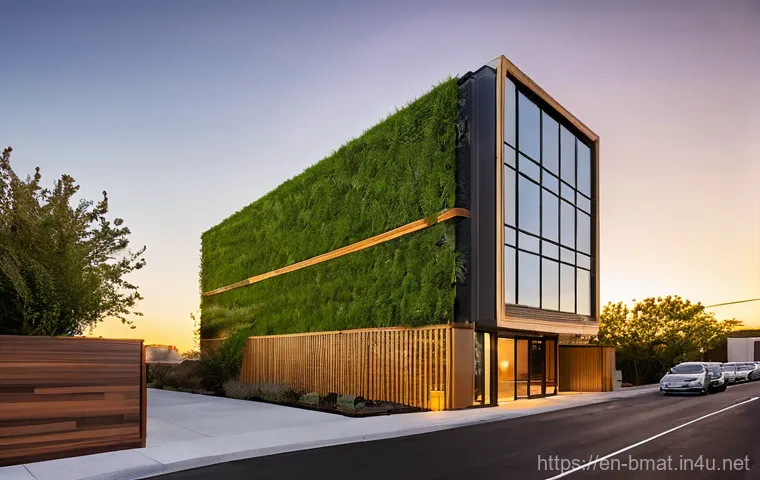
Sustainability isn’t just a buzzword anymore; it’s a critical factor in purchasing decisions for a growing number of clients, from individual homeowners to massive commercial developers.
If your material boasts eco-friendly attributes, you absolutely *must* make this a central part of your promotion strategy. I’ve personally seen how transparent and well-communicated sustainable practices can be a massive differentiator, turning what might otherwise be a commodity into a highly sought-after solution.
It’s about more than just compliance; it’s about genuine commitment.
Highlighting Environmental Certifications and Life Cycle Assessments
Don’t just say your product is “green”; prove it! Obtain relevant certifications like LEED, Cradle to Cradle, or Environmental Product Declarations (EPDs).
These third-party validations lend immense credibility to your claims. Share the results of your Life Cycle Assessments (LCAs) to demonstrate the full environmental impact, from raw material extraction to end-of-life.
I’ve found that providing this kind of detailed, verifiable information is incredibly reassuring to architects and developers who are themselves under pressure to meet stringent environmental standards.
It makes their job easier and positions your material as a responsible choice.
Showcasing Your Material’s Impact on Project Sustainability Goals
How does your material contribute to a building’s overall sustainability performance? Does it reduce energy consumption, improve indoor air quality, minimize waste, or contribute to water efficiency?
Clearly articulate these benefits. For instance, if your windows drastically reduce heat transfer, don’t just talk about the R-value; talk about the significant reduction in heating and cooling costs and the smaller carbon footprint of the building.
Frame your material not just as a component, but as a key enabler for achieving broader sustainability objectives. This allows clients to see the bigger picture and the long-term value.
Forging Strategic Partnerships and Alliances: Stronger Together
The construction industry is a vast ecosystem, and very few projects are completed by a single entity. From architects and general contractors to distributors and specialized installers, there are many players involved.
Recognizing this, and actively seeking out strategic partnerships, can exponentially increase your reach and influence. It’s about leveraging complementary strengths and creating mutually beneficial relationships that open doors to new opportunities.
I’ve seen some incredible synergy emerge when companies collaborate effectively, leading to projects that might have been impossible to secure alone. It’s not just about what you can do, but what you can achieve together.
Collaborating with Complementary Product Manufacturers
Think about other materials that are often used alongside yours. Could you partner with a manufacturer of a compatible product to create a joint marketing campaign or offer integrated solutions?
For example, a roofing material manufacturer could partner with a gutter system provider, or a cladding company with a window supplier. This allows you to offer a more comprehensive solution to clients, making their specification process simpler and more efficient.
I remember a partnership between a sustainable flooring company and an eco-friendly adhesive manufacturer that led to a complete, certified green flooring system.
It was a win-win for everyone involved, especially the customers.
Building Strong Relationships with Distributors and Contractors
These are the people on the ground, the ones who install your materials and often recommend them to clients. They are your advocates, and their insights are invaluable.
Invest in training programs, provide excellent support, and create incentives that make them enthusiastic about selling and installing your products. A happy distributor or contractor is your best salesperson.
I’ve found that regular communication, clear documentation, and prompt technical assistance can turn a transactional relationship into a powerful, long-term partnership that drives consistent sales.
Empower them with the knowledge and tools they need to succeed, and they’ll empower your brand in return.
Wrapping Up
Whew, we’ve covered a lot today, haven’t we? It truly boils down to this: your material isn’t just a collection of specs and certifications; it’s a solution, a story, a crucial piece of someone’s dream project. I’ve personally seen the magic happen when companies shift their focus from simply selling products to building genuine connections and becoming indispensable resources. It’s about being human, understanding the challenges your clients face, and showing them how your material can genuinely elevate their work and make their lives easier. Remember, every connection you make, every story you share, and every piece of value you provide isn’t just a marketing effort—it’s an investment in a lasting relationship. Keep that in mind, and you’ll not only attract more visitors but convert them into loyal partners. That’s been my biggest takeaway over the years, and I promise, it’s a game-changer.
Useful Tips to Keep in Mind
1. Always remember the “why” behind your material. Don’t just list features; explain the tangible benefits and emotional impact it brings to a project. Think about the peace of mind, the aesthetic appeal, or the long-term savings it offers. That’s what truly sticks with people.
2. Embrace the digital world fully. Your online presence, from a stellar website to engaging social media content, is your 24/7 showroom. Make it easy for people to find you, learn from you, and connect with you, no matter where they are.
3. Cultivate genuine relationships, especially with architects and designers. These aren’t just potential clients; they’re visionaries. Be a resource, offer solutions, and provide unparalleled support, and you’ll earn their trust and loyalty.
4. Let your satisfied customers do the talking. Nothing builds credibility faster than authentic testimonials and detailed case studies. Showcase how your material has truly made a difference in real-world projects. People are far more likely to believe a peer’s experience than a marketing claim.
5. Don’t shy away from your sustainable side. The demand for eco-friendly materials is only growing. If your product is green, shout it from the rooftops! Highlight certifications, discuss environmental impacts, and show how it contributes to a healthier planet and a more sustainable build.
Key Takeaways
Ultimately, making your material shine in today’s competitive landscape isn’t just about the product itself—it’s about the comprehensive narrative you build around it. By humanizing your brand, you create an emotional connection that transcends mere specifications. Strategically navigating the digital marketing realm, from robust SEO to compelling visual content, ensures you’re visible and engaging where your audience is actively searching. Establishing yourself as a thought leader through valuable insights and contributions positions you as an indispensable expert, not just another vendor. Moreover, fostering strong, reciprocal relationships with key industry players like architects, designers, distributors, and contractors creates a powerful network of advocates. Crucially, leveraging the authentic voices of satisfied customers through testimonials and detailed case studies provides invaluable social proof. Finally, consciously embracing and communicating your commitment to sustainability not only meets growing market demands but also positions your brand as forward-thinking and responsible. It’s about being seen as a trusted partner, empowering your clients to build not just structures, but legacies. Keep these pillars in mind, and you’ll not only attract attention but build a lasting, profitable presence.
Frequently Asked Questions (FAQ) 📖
Q: How can my new, innovative construction material truly stand out in today’s crowded and competitive market?
A: Oh, this is a question I hear all the time, and honestly, it’s where many brilliant ideas stumble. From my vantage point, the secret sauce isn’t just about having a great product; it’s about crafting an irresistible story around it.
I’ve personally witnessed how materials that seemed revolutionary on paper failed to gain traction because their manufacturers focused too much on dry technical specs.
Instead, think about the transformation your material offers. Is it cutting installation time by 30%? Is it virtually eliminating maintenance headaches for homeowners?
Is it making buildings significantly greener and more affordable to operate? Tell that story! Use compelling visuals, real-world case studies, and testimonials from early adopters.
I always advise my clients to laser-focus on a specific niche first, dominate that, and then expand. Show, don’t just tell. Let builders and designers feel the impact your material will have on their projects and their bottom line.
It’s about building a narrative that resonates deeply, making your material not just a product, but a solution to their biggest challenges.
Q: With so much talk about sustainability and smart technology, what’s the most effective way to communicate the unique value of these features to busy architects and contractors?
A: This is a fantastic question, and one I’ve wrestled with personally because, let’s be real, everyone’s touting “sustainable” these days. The trick, I’ve found, is moving beyond the buzzwords and directly addressing the pain points of architects and contractors.
They’re under immense pressure to deliver projects on time, on budget, and meet evolving regulations. So, when you talk about sustainability, don’t just say “eco-friendly.” Instead, quantify the long-term energy savings, highlight certifications that streamline the permitting process, or explain how your material contributes to a higher LEED score without adding complexity or cost.
For smart tech, illustrate exactly how it simplifies their workflow, reduces labor, or offers predictive maintenance capabilities that save clients a fortune down the road.
I’ve seen firsthand how a well-structured cost-benefit analysis or a simple, compelling infographic showing ROI can be far more powerful than a paragraph full of technical jargon.
It’s about translating “green” or “smart” into tangible benefits for their projects and their clients.
Q: Beyond traditional marketing, what are some “game-changing” promotion tactics you’ve personally seen work wonders for construction material companies?
A: Oh, this is where the fun really begins! If you’re still relying solely on trade shows and brochures, you’re missing out on some serious opportunities.
I’ve been blown away by the success companies are having with a few key strategies. Firstly, embrace the digital world with open arms. I’m talking about high-quality video content showcasing your materials in action – time-lapse installations, drone footage of completed projects, or even VR/AR experiences that let designers “see” your material in their models.
Secondly, don’t underestimate the power of strategic partnerships and influencer marketing (yes, even in construction!). Collaborating with reputable architects, engineers, or even general contractors who have a strong online presence can provide an incredible boost.
I remember one company that saw their sales skyrocket after partnering with a popular YouTube builder who incorporated their material into a series of renovation projects.
Lastly, consider hosting intimate, focused webinars or workshops. These aren’t about a hard sell, but about educating professionals, sharing best practices, and positioning your company as a thought leader.
When you empower your audience with knowledge, trust me, the sales naturally follow. It’s about creating genuine connections and providing value long before you ask for the sale.