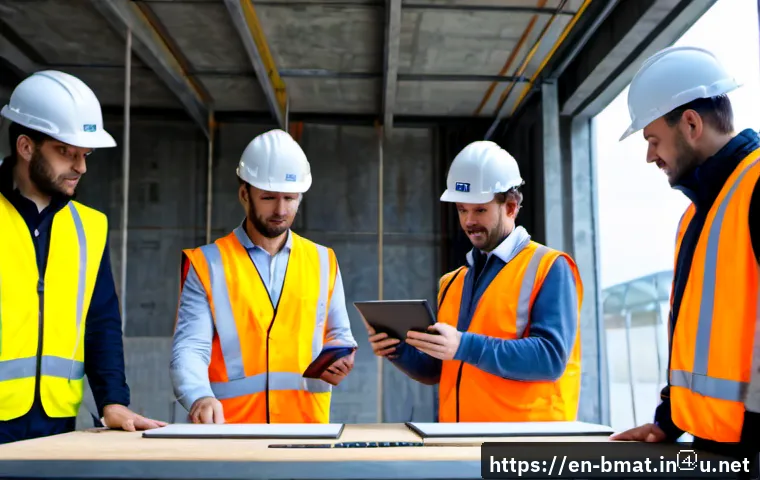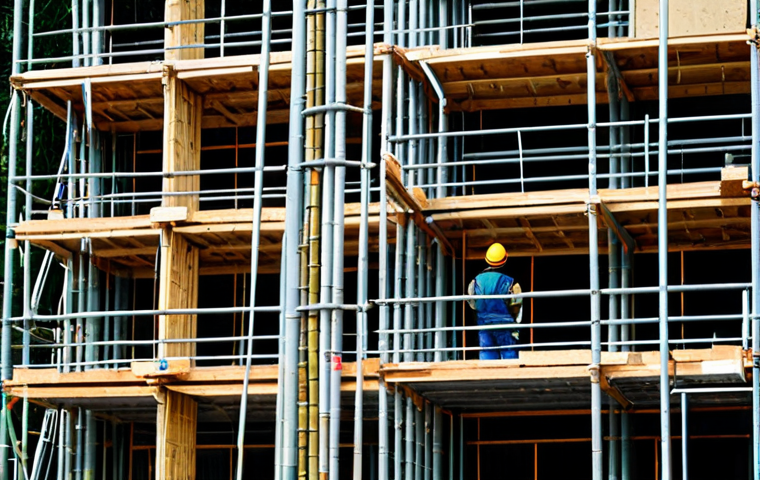
The construction materials market is undergoing a seismic shift, fueled by sustainability demands and rapid technological advancements. I’ve personally witnessed this firsthand, observing how builders are increasingly prioritizing eco-friendly options like recycled steel and mass timber.
Plus, innovative software is revolutionizing project management and material sourcing. Expect to see a surge in prefab construction, as it promises speed and cost-effectiveness.
The future also points towards smart materials that adapt to environmental conditions. The integration of AI in material selection and waste reduction is no longer a distant dream but a tangible reality.
Let’s dive deeper into these trends in the article below.
## Navigating Supply Chain Disruptions with AgilityThe past few years have been a rollercoaster for the construction industry, particularly when it comes to sourcing materials.
I remember back in 2022, trying to secure a shipment of pressure-treated lumber for a deck project. What used to take a week suddenly stretched into months, and the price?
Forget about it – it had nearly doubled. This volatility isn’t just about inconvenience; it directly impacts project timelines and budgets. Smart builders are now diversifying their supplier networks and building stronger relationships with key vendors.
This involves scouting for local alternatives and even considering slightly different materials that are more readily available. Digital platforms are also proving invaluable.
These platforms offer real-time visibility into inventory levels across multiple suppliers, allowing for quick adjustments and informed decision-making.
Building Resilience Through Strategic Stockpiling
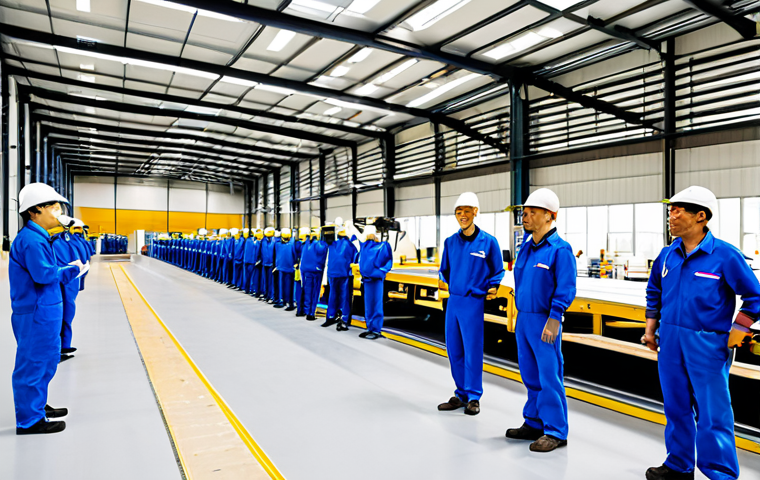
For larger firms, strategic stockpiling of essential materials is becoming a common practice. I know a contractor in Atlanta who started leasing extra warehouse space just to keep a buffer of critical supplies.
It’s an added expense, sure, but it provides peace of mind knowing they can weather unexpected delays or price hikes.
Leveraging Technology for Enhanced Visibility
From my experience, implementing robust tracking systems is crucial. Using IoT sensors to monitor material location and condition in real-time provides invaluable insights.
This not only helps prevent theft and waste but also enables proactive management of inventory levels.
Embracing Green Building Practices: A Competitive Edge
Sustainability isn’t just a buzzword; it’s a business imperative. Homeowners and commercial clients are increasingly demanding eco-friendly options, and those builders who can deliver are winning big.
I’ve seen projects specifically highlight the use of reclaimed materials, energy-efficient windows, and solar panels as major selling points. This shift requires a deep understanding of green building certifications like LEED and Passive House standards.
Contractors must invest in training their teams to properly install and maintain sustainable materials, as well as communicate the long-term cost savings and environmental benefits to clients.
Understanding Green Building Certifications
Navigating the world of green building certifications can be daunting, but it’s essential. Familiarize yourself with LEED, WELL, and other relevant standards in your region.
Each certification has specific requirements regarding material sourcing, energy efficiency, and indoor air quality.
Promoting Long-Term Cost Savings and Environmental Benefits
Green building initiatives often come with a higher upfront cost, but the long-term savings are undeniable. Educate your clients about reduced energy bills, lower maintenance costs, and the positive impact on the environment.
Use data and case studies to demonstrate the return on investment.
The Rise of Prefabrication and Modular Construction
Prefabrication and modular construction are rapidly gaining traction, offering significant advantages in terms of speed, cost, and quality control. I recently toured a modular home factory, and I was amazed by the precision and efficiency of the process.
Whole sections of houses are assembled in a controlled environment, minimizing weather delays and reducing waste. This approach is particularly well-suited for repetitive building designs, such as apartment complexes and hotels.
However, it requires careful planning and coordination between architects, engineers, and manufacturers.
Overcoming Common Misconceptions About Prefabrication
Many people still associate prefabrication with low-quality, cookie-cutter designs. However, modern modular construction offers a wide range of customization options and architectural styles.
It’s important to showcase examples of high-end prefab projects to dispel these misconceptions.
Streamlining the Design and Coordination Process
Successful prefabrication projects require close collaboration between all stakeholders from the outset. Use Building Information Modeling (BIM) software to create a detailed digital model of the building, ensuring that all components fit together seamlessly.
Investing in Skilled Labor and Workforce Development
The construction industry is facing a severe labor shortage, and finding qualified workers is a major challenge. I’ve heard countless stories from contractors struggling to find skilled carpenters, plumbers, and electricians.
To address this issue, companies must invest in training programs, apprenticeships, and partnerships with vocational schools. Offering competitive wages and benefits, as well as creating a positive and inclusive work environment, is also crucial for attracting and retaining talent.
I’ve noticed that companies that prioritize employee well-being and professional development tend to have a much lower turnover rate.
Creating Apprenticeships and Vocational Programs
Partner with local vocational schools and community colleges to create apprenticeship programs that provide on-the-job training for aspiring construction workers.
Offer scholarships and tuition reimbursement to encourage students to pursue careers in the trades.
Fostering a Positive and Inclusive Work Environment
Create a workplace culture that values diversity, equity, and inclusion. Implement policies that promote work-life balance and provide opportunities for professional growth.
Recognize and reward employees for their contributions to the company’s success.
Leveraging Data Analytics for Enhanced Decision-Making
Data analytics is transforming the way construction companies operate, enabling them to make more informed decisions about everything from project planning to risk management.
I recently worked with a firm that used data analytics to identify and mitigate potential cost overruns on a large-scale project. By analyzing historical data, they were able to predict material price fluctuations and adjust their purchasing strategies accordingly.
This proactive approach saved them a significant amount of money. Additionally, data analytics can be used to optimize resource allocation, improve safety performance, and enhance customer satisfaction.
Identifying and Mitigating Potential Cost Overruns
Use data analytics to track project costs in real-time and identify potential overruns early on. Analyze historical data to predict material price fluctuations and adjust your purchasing strategies accordingly.
Implement a system for tracking change orders and their impact on the project budget.
Optimizing Resource Allocation and Improving Safety Performance
Use data analytics to track the utilization of your resources, including labor, equipment, and materials. Identify areas where you can improve efficiency and reduce waste.
Analyze safety data to identify potential hazards and implement preventative measures.
The Impact of Augmented Reality (AR) and Virtual Reality (VR)
AR and VR technologies are poised to revolutionize the construction industry, offering new ways to visualize projects, train workers, and collaborate with stakeholders.
I’ve seen demonstrations of AR apps that allow architects to overlay digital designs onto existing buildings, providing a realistic preview of the finished product.
VR is being used to create immersive training simulations for construction workers, allowing them to practice complex tasks in a safe and controlled environment.
These technologies have the potential to significantly improve communication, reduce errors, and enhance safety on construction sites.
Enhancing Project Visualization and Communication
Use AR apps to overlay digital designs onto existing buildings, providing a realistic preview of the finished product. Create VR walkthroughs of proposed buildings to allow clients to experience the space before it’s even built.
Use these technologies to communicate design ideas more effectively and reduce misunderstandings.
Training Workers in a Safe and Controlled Environment
Create VR simulations of construction sites to train workers in a safe and controlled environment. Allow them to practice complex tasks, such as operating heavy machinery or working at heights, without the risk of injury.
Use these simulations to reinforce safety protocols and best practices.
| Trend | Description | Impact on Construction | Example |
|---|---|---|---|
| Sustainable Materials | Eco-friendly materials like recycled steel, mass timber | Reduced environmental footprint, increased demand | Using bamboo flooring instead of hardwood |
| Prefabrication | Building components off-site and assembling on-site | Faster construction, lower costs, better quality | Modular home construction |
| Digitalization | Use of software and technology for project management | Improved efficiency, better communication, reduced errors | Using BIM for project design and coordination |
| Smart Materials | Materials that adapt to environmental conditions | Increased energy efficiency, improved building performance | Self-healing concrete |
| Data Analytics | Analyzing data to improve decision-making | Optimized resource allocation, reduced costs, improved safety | Predicting material price fluctuations |
Focusing on Customer Experience and Building Trust
In today’s competitive market, customer experience is more important than ever. Builders must focus on building strong relationships with their clients, providing excellent communication, and delivering exceptional results.
I’ve seen companies that go above and beyond to exceed customer expectations, and they are rewarded with repeat business and positive referrals. This includes being transparent about costs and timelines, providing regular updates on project progress, and addressing any concerns promptly and professionally.
Building trust is essential for long-term success in the construction industry.
Providing Excellent Communication and Transparency
Keep your clients informed throughout the construction process. Provide regular updates on project progress, and be transparent about any potential delays or cost increases.
Respond to their questions and concerns promptly and professionally.
Delivering Exceptional Results and Building Trust
Focus on delivering high-quality workmanship and exceeding customer expectations. Go the extra mile to ensure that your clients are satisfied with the final product.
Build a reputation for reliability and integrity. Navigating the construction landscape these days feels a bit like being in a high-stakes juggling act, doesn’t it?
I mean, one minute you’re cruising along, and the next, bam! A supply chain snag throws your whole project timeline into disarray. But, from what I’ve seen on the ground, those who are quick on their feet and embrace innovative strategies are the ones not just surviving but actually thriving.
The key seems to be a cocktail of resilience, adaptability, and a healthy dose of tech-savviness. It’s about building relationships with your suppliers, not just treating them as transactional contacts.
It’s about having a Plan B, and maybe even a Plan C, ready to go. And let’s not forget the growing importance of going green. Clients are asking for it, and frankly, it’s the right thing to do.
Plus, it often translates to long-term cost savings – a win-win, if you ask me.
Building Resilience Through Strategic Stockpiling
For larger firms, strategic stockpiling of essential materials is becoming a common practice. I know a contractor in Atlanta who started leasing extra warehouse space just to keep a buffer of critical supplies. It’s an added expense, sure, but it provides peace of mind knowing they can weather unexpected delays or price hikes.
Leveraging Technology for Enhanced Visibility
From my experience, implementing robust tracking systems is crucial. Using IoT sensors to monitor material location and condition in real-time provides invaluable insights. This not only helps prevent theft and waste but also enables proactive management of inventory levels.
Embracing Green Building Practices: A Competitive Edge
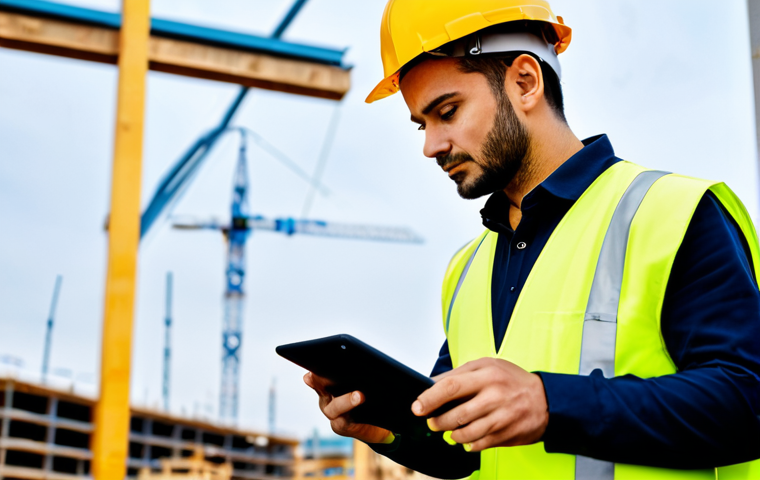
Sustainability isn’t just a buzzword; it’s a business imperative. Homeowners and commercial clients are increasingly demanding eco-friendly options, and those builders who can deliver are winning big. I’ve seen projects specifically highlight the use of reclaimed materials, energy-efficient windows, and solar panels as major selling points. This shift requires a deep understanding of green building certifications like LEED and Passive House standards. Contractors must invest in training their teams to properly install and maintain sustainable materials, as well as communicate the long-term cost savings and environmental benefits to clients.
Understanding Green Building Certifications
Navigating the world of green building certifications can be daunting, but it’s essential. Familiarize yourself with LEED, WELL, and other relevant standards in your region. Each certification has specific requirements regarding material sourcing, energy efficiency, and indoor air quality.
Promoting Long-Term Cost Savings and Environmental Benefits
Green building initiatives often come with a higher upfront cost, but the long-term savings are undeniable. Educate your clients about reduced energy bills, lower maintenance costs, and the positive impact on the environment. Use data and case studies to demonstrate the return on investment.
The Rise of Prefabrication and Modular Construction
Prefabrication and modular construction are rapidly gaining traction, offering significant advantages in terms of speed, cost, and quality control. I recently toured a modular home factory in Nevada, and I was amazed by the precision and efficiency of the process. Whole sections of houses are assembled in a controlled environment, minimizing weather delays and reducing waste. This approach is particularly well-suited for repetitive building designs, such as apartment complexes and hotels. However, it requires careful planning and coordination between architects, engineers, and manufacturers.
Overcoming Common Misconceptions About Prefabrication
Many people still associate prefabrication with low-quality, cookie-cutter designs. However, modern modular construction offers a wide range of customization options and architectural styles. It’s important to showcase examples of high-end prefab projects to dispel these misconceptions.
Streamlining the Design and Coordination Process
Successful prefabrication projects require close collaboration between all stakeholders from the outset. Use Building Information Modeling (BIM) software to create a detailed digital model of the building, ensuring that all components fit together seamlessly.
Investing in Skilled Labor and Workforce Development
The construction industry is facing a severe labor shortage, and finding qualified workers is a major challenge. I’ve heard countless stories from contractors struggling to find skilled carpenters, plumbers, and electricians. To address this issue, companies must invest in training programs, apprenticeships, and partnerships with vocational schools. Offering competitive wages and benefits, as well as creating a positive and inclusive work environment, is also crucial for attracting and retaining talent. I’ve noticed that companies that prioritize employee well-being and professional development tend to have a much lower turnover rate.
Creating Apprenticeships and Vocational Programs
Partner with local vocational schools and community colleges to create apprenticeship programs that provide on-the-job training for aspiring construction workers. Offer scholarships and tuition reimbursement to encourage students to pursue careers in the trades.
Fostering a Positive and Inclusive Work Environment
Create a workplace culture that values diversity, equity, and inclusion. Implement policies that promote work-life balance and provide opportunities for professional growth. Recognize and reward employees for their contributions to the company’s success.
Leveraging Data Analytics for Enhanced Decision-Making
Data analytics is transforming the way construction companies operate, enabling them to make more informed decisions about everything from project planning to risk management. I recently worked with a firm that used data analytics to identify and mitigate potential cost overruns on a large-scale project. By analyzing historical data, they were able to predict material price fluctuations and adjust their purchasing strategies accordingly. This proactive approach saved them a significant amount of money. Additionally, data analytics can be used to optimize resource allocation, improve safety performance, and enhance customer satisfaction.
Identifying and Mitigating Potential Cost Overruns
Use data analytics to track project costs in real-time and identify potential overruns early on. Analyze historical data to predict material price fluctuations and adjust your purchasing strategies accordingly. Implement a system for tracking change orders and their impact on the project budget.
Optimizing Resource Allocation and Improving Safety Performance
Use data analytics to track the utilization of your resources, including labor, equipment, and materials. Identify areas where you can improve efficiency and reduce waste. Analyze safety data to identify potential hazards and implement preventative measures.
The Impact of Augmented Reality (AR) and Virtual Reality (VR)
AR and VR technologies are poised to revolutionize the construction industry, offering new ways to visualize projects, train workers, and collaborate with stakeholders. I’ve seen demonstrations of AR apps that allow architects to overlay digital designs onto existing buildings, providing a realistic preview of the finished product. VR is being used to create immersive training simulations for construction workers, allowing them to practice complex tasks in a safe and controlled environment. These technologies have the potential to significantly improve communication, reduce errors, and enhance safety on construction sites.
Enhancing Project Visualization and Communication
Use AR apps to overlay digital designs onto existing buildings, providing a realistic preview of the finished product. Create VR walkthroughs of proposed buildings to allow clients to experience the space before it’s even built. Use these technologies to communicate design ideas more effectively and reduce misunderstandings.
Training Workers in a Safe and Controlled Environment
Create VR simulations of construction sites to train workers in a safe and controlled environment. Allow them to practice complex tasks, such as operating heavy machinery or working at heights, without the risk of injury. Use these simulations to reinforce safety protocols and best practices.
| Trend | Description | Impact on Construction | Example |
|---|---|---|---|
| Sustainable Materials | Eco-friendly materials like recycled steel, mass timber | Reduced environmental footprint, increased demand | Using bamboo flooring instead of hardwood |
| Prefabrication | Building components off-site and assembling on-site | Faster construction, lower costs, better quality | Modular home construction |
| Digitalization | Use of software and technology for project management | Improved efficiency, better communication, reduced errors | Using BIM for project design and coordination |
| Smart Materials | Materials that adapt to environmental conditions | Increased energy efficiency, improved building performance | Self-healing concrete |
| Data Analytics | Analyzing data to improve decision-making | Optimized resource allocation, reduced costs, improved safety | Predicting material price fluctuations |
Focusing on Customer Experience and Building Trust
In today’s competitive market, customer experience is more important than ever. Builders must focus on building strong relationships with their clients, providing excellent communication, and delivering exceptional results. I’ve seen companies that go above and beyond to exceed customer expectations, and they are rewarded with repeat business and positive referrals. This includes being transparent about costs and timelines, providing regular updates on project progress, and addressing any concerns promptly and professionally. Building trust is essential for long-term success in the construction industry.
Providing Excellent Communication and Transparency
Keep your clients informed throughout the construction process. Provide regular updates on project progress, and be transparent about any potential delays or cost increases. Respond to their questions and concerns promptly and professionally.
Delivering Exceptional Results and Building Trust
Focus on delivering high-quality workmanship and exceeding customer expectations. Go the extra mile to ensure that your clients are satisfied with the final product. Build a reputation for reliability and integrity.
Conclusion
The construction industry is evolving faster than ever before. To stay ahead, builders must embrace innovation, invest in their workforce, and prioritize customer experience. By doing so, they can not only navigate the current challenges but also position themselves for long-term success.
Adaptability and a willingness to learn are key. Embrace new technologies, sustainable practices, and innovative approaches to project management.
The future of construction is bright for those who are willing to embrace change and build a better world.
Interesting Information
1. Did you know that the Empire State Building was completed in just over one year? This was thanks to innovative construction techniques and a dedicated workforce.
2. The Burj Khalifa, the world’s tallest building, used over 45,000 cubic meters of concrete. That’s enough to pave a sidewalk stretching over 1,900 km!
3. Green roofs can reduce a building’s energy consumption by up to 20%. Plus, they provide a habitat for local wildlife.
4. The use of drones in construction is becoming increasingly common. They can be used for site surveying, progress monitoring, and even delivering materials.
5. 3D printing technology is revolutionizing the construction industry. It can be used to create everything from individual building components to entire houses.
Key Takeaways
1. Diversify your supplier network to mitigate supply chain disruptions.
2. Invest in green building practices to meet growing customer demand and reduce long-term costs.
3. Embrace prefabrication and modular construction for faster and more efficient building.
4. Invest in workforce development and training programs to address the labor shortage.
5. Leverage data analytics to make more informed decisions and improve project outcomes.
Frequently Asked Questions (FAQ) 📖
Q: How are sustainability demands impacting the cost of construction materials?
A: Well, I’ve seen firsthand how the push for eco-friendly materials like recycled steel and sustainably sourced timber can initially bump up costs. It’s kinda like paying a premium for organic groceries – you’re investing in a healthier planet.
However, in the long run, these materials often lead to lower energy consumption and reduced waste, which can offset the initial investment. Plus, government incentives and tax breaks are increasingly available to encourage the adoption of sustainable practices, making it more affordable than you might think.
Q: You mentioned
A: I in material selection. How does that actually work on a construction site? A2: Think of it like this: imagine a program that analyzes blueprints, environmental factors, and even market prices in real-time to suggest the most efficient and cost-effective materials.
I’ve heard of systems that can even predict material shortages before they happen, allowing contractors to adjust their orders and avoid delays. It’s not just about choosing materials either; AI can optimize cutting layouts to minimize waste and even monitor the structural integrity of a building during construction using sensors.
It’s pretty wild, like having a super-smart assistant making sure everything runs smoothly and efficiently.
Q: What are the biggest hurdles to widespread adoption of prefab construction?
A: From what I’ve gathered talking to folks in the industry, one of the biggest challenges is overcoming the perception that prefab means cheap or cookie-cutter.
People sometimes associate it with lower quality, which isn’t necessarily true these days. There’s also the logistical challenge of transporting and assembling large prefab components, especially in urban areas with tight spaces.
And let’s not forget the need for skilled labor to handle the specialized equipment and techniques involved in prefab construction. It’s definitely gaining traction, but it’s still a bit of a learning curve for many contractors and clients.
📚 References
Wikipedia Encyclopedia